Living with an autoimmune disorder presents daily challenges that extend far beyond what most people realize. While managing symptoms and treatments, many patients don’t realize that their condition can significantly impact their oral health. At Stallings Dental in St. Louis, Missouri, we understand the complex relationship between autoimmune disorders and dental health, and we’re here to help you navigate these unique challenges.
Table of Contents
ToggleWhat Are Autoimmune Disorders?
Autoimmune disorders occur when your body’s immune system mistakenly attacks healthy cells and tissues. Instead of protecting you from harmful bacteria and viruses, your immune system turns against your own body. Common autoimmune conditions include rheumatoid arthritis, lupus, Sjögren’s syndrome, Crohn’s disease, and type 1 diabetes.
While these conditions primarily affect other parts of your body, they can have serious consequences for your mouth, teeth, and gums. Understanding these connections can help you take better care of your oral health and work with your dental team to prevent complications.
How Autoimmune Disorders Affect Your Mouth
Dry Mouth (Xerostomia)
One of the most common oral health issues for people with autoimmune disorders is dry mouth. Conditions like Sjögren’s syndrome directly attack the glands that produce saliva. Without enough saliva to wash away bacteria and neutralize acids, your risk of tooth decay and gum disease increases dramatically.
Increased Risk of Gum Disease
Many autoimmune disorders cause inflammation throughout the body, including in your gums. This chronic inflammation can make it harder for your gums to fight off bacterial infections, leading to gingivitis and more serious forms of gum disease.
Delayed Healing
Autoimmune conditions and the medications used to treat them can slow down your body’s ability to heal. This means that cuts or sores in your mouth may take longer to heal, and dental procedures may require special considerations.
Oral Ulcers and Sores
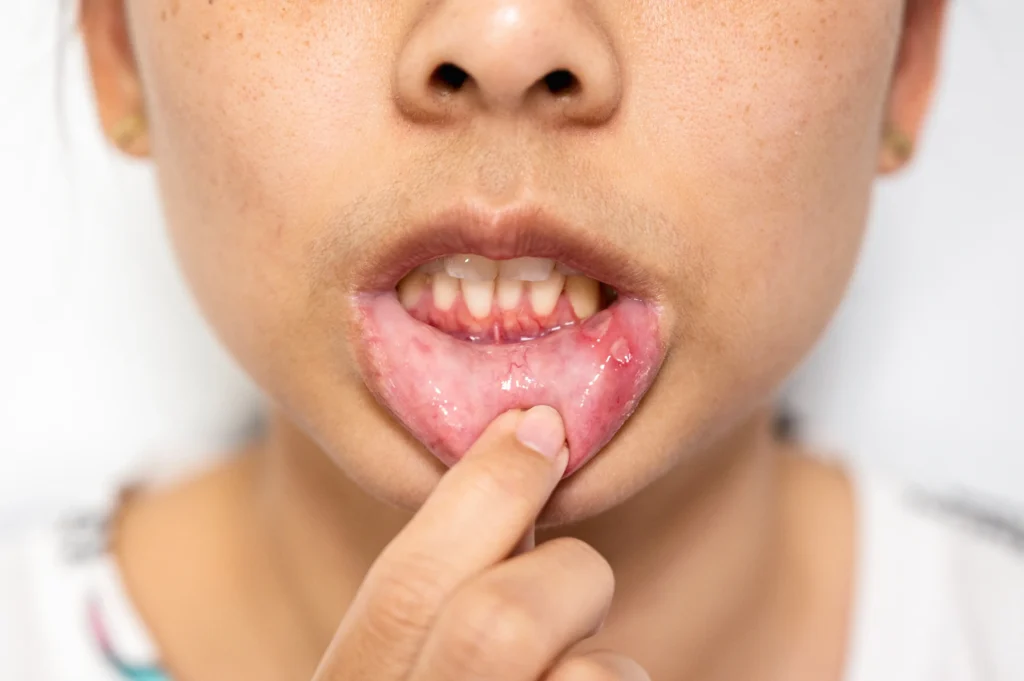
Some autoimmune disorders, particularly lupus and Crohn’s disease, can cause painful mouth sores and ulcers. These can make eating and speaking uncomfortable and may require special treatment.
Specific Autoimmune Conditions and Oral Health
Sjögren’s Syndrome
This condition specifically targets moisture-producing glands, causing severe dry mouth and dry eyes. Patients with Sjögren’s syndrome have a much higher risk of tooth decay and may need special fluoride treatments and saliva substitutes.
Rheumatoid Arthritis
People with rheumatoid arthritis are more likely to develop gum disease. The inflammation that affects joints can also affect the tissues in your mouth. Additionally, some medications used to treat RA can increase infection risk.
Lupus
Lupus can cause mouth sores, dry mouth, and increased sensitivity to certain dental materials. The condition can also affect the temporomandibular joint (TMJ), causing jaw pain and difficulty opening your mouth.
Crohn’s Disease
This inflammatory bowel disease can cause mouth ulcers and swelling of the lips and mouth. Some people with Crohn’s disease also experience gum inflammation and tooth decay.
Managing Oral Health with Autoimmune Disorders
Work Closely with Your Healthcare Team
Communication between your doctors and dentist is crucial. Make sure both your medical doctor and your dentist at Stallings Dental know about all your medications and treatments. Some medications can affect your oral health, while certain dental treatments may need to be adjusted based on your condition.
Maintain Excellent Oral Hygiene
Good oral hygiene becomes even more important when you have an autoimmune disorder. Brush your teeth at least twice daily with fluoride toothpaste, and floss every day. Consider using an antimicrobial mouthwash to help reduce bacterial buildup.
Address Dry Mouth
If you experience dry mouth, there are several strategies that can help:
- Drink plenty of water throughout the day
- Chew sugar-free gum to stimulate saliva production
- Use saliva substitutes or prescription medications if recommended
- Avoid alcohol-based mouthwashes, which can further dry your mouth
Schedule Regular Dental Visits
People with autoimmune disorders may need more frequent dental cleanings and checkups. Regular visits allow us to catch problems early and adjust your care plan as needed.
Be Proactive About Prevention
Consider additional preventive treatments like fluoride applications or dental sealants. These can provide extra protection for teeth that are at higher risk due to your condition.
Medications and Oral Health
Many medications used to treat autoimmune disorders can affect your oral health. Steroids can increase your risk of infections, while some drugs can cause dry mouth or gum overgrowth. Always inform your dentist about any changes to your medications.
When to Seek Immediate Care
Contact Stallings Dental right away if you experience:
- Persistent mouth sores that don’t heal
- Severe dry mouth that interferes with eating or speaking
- Signs of infection like fever, swelling, or severe pain
- Bleeding gums that don’t improve with better oral hygiene
- Any changes in your mouth that concern you
Your Partner in Comprehensive Care
At Stallings Dental, we understand that managing an autoimmune disorder requires a team approach. We work closely with your other healthcare providers to ensure your dental care supports your overall health goals. Our team is experienced in caring for patients with complex medical conditions and can adjust treatments to meet your specific needs.
We believe that having an autoimmune disorder doesn’t mean you have to accept poor oral health. With the right care and attention, you can maintain a healthy, comfortable mouth even while managing a chronic condition.
Taking the Next Step
If you have an autoimmune disorder, don’t wait for problems to develop. Schedule a consultation with Stallings Dental to discuss how we can help protect your oral health. We’ll work with you to create a personalized care plan that takes your condition into account and helps you maintain the best possible oral health.
Your autoimmune disorder is just one part of your health story. Let us help you write a chapter that includes a healthy, confident smile. Contact Stallings Dental today to learn more about how we can support your oral health journey in St. Louis.
Remember, taking care of your oral health is an investment in your overall well-being. With the right care and support, you can successfully manage both your autoimmune condition and your dental health for years to come.